Loading...
Serving Ewa Gentry, HI and surrounding areas. (808) 215-8568
Ewa Gentry Insulation serves Makakilo homeowners with blown-in insulation, attic upgrades, and spray foam - a local crew who knows the ridge, the wind, and the 30-to-50-year-old homes that make up this west Oahu community. We respond within one business day.
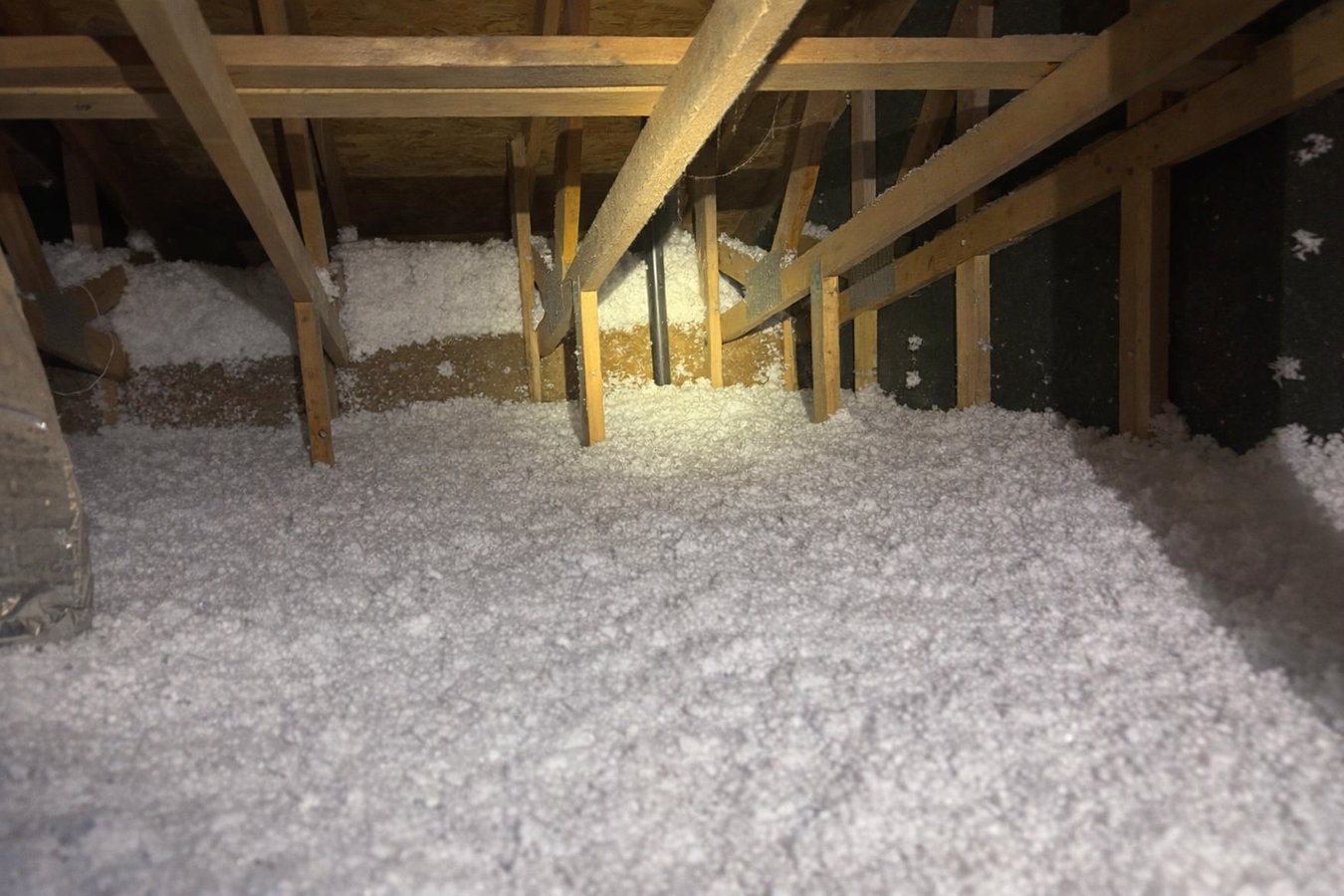
Makakilo attics often have irregular layouts from HVAC equipment, water heater closets, and storage platforms that make batt insulation impractical. Our blown-in insulation service fills every corner of the attic floor to a consistent depth regardless of obstructions, making it the right choice for the varied attic configurations common on hillside homes built in the 1970s through 1990s.
Makakilo homes on the ridge get more direct sun exposure than anywhere else on the west side of Oahu. Thin or degraded attic insulation converts that solar heat directly into higher AC bills, and most homes built here in the original development phases have insulation that has never been replaced.
The consistent trade winds and occasional high-wind events on the Makakilo Ridge push outdoor air through roofline gaps and attic penetrations. Spray foam applied at the roof deck or around penetrations seals those entry points completely, stopping wind-driven air infiltration that blown-in material alone cannot address.
Homes in Makakilo built with CMU block and stucco construction develop cracks and gaps at joints over 30 to 50 years of thermal expansion and contraction. Air sealing those pathways before adding new insulation is critical to getting the performance improvement that motivates homeowners to do the project in the first place.
Older fiberglass batt insulation in Makakilo attics from the 1970s and 1980s has often absorbed moisture, flattened under its own weight, or been disturbed by repeated pest and HVAC access. We remove degraded material cleanly before installing new insulation that performs as designed in Hawaii conditions.
Even on Makakilo's hillside, homes with raised foundations or partial crawl spaces sit over ground that holds moisture from seasonal rainfall. A vapor barrier keeps ground moisture from migrating into floor framing, which is especially important in the older homes at the lower sections of the community where drainage is slower.
Makakilo is a hillside community built in phases starting in the early 1970s, which means the housing stock ranges from 30 to over 50 years old. Homes built during those original phases have roofing, insulation, and exterior coatings that are well past their designed service life. The ridge location adds a layer of complexity that flat-community contractors often do not account for: elevated wind exposure pushes air through gaps that do not matter at lower elevations, and the intense sun at altitude breaks down exterior materials faster than in the flatlands below. Insulation that was installed to 1970s standards - often R-11 or less in the attic - provides almost no meaningful thermal protection by today's expectations.
Hawaii's building code requires insulation in new construction, but retrofit work in existing homes is driven by homeowner choice and energy cost pressure. In Makakilo, where electricity from Hawaiian Electric Company is among the most expensive in the country, upgrading insulation from original builder-grade material to current recommended levels has a direct and measurable impact on monthly bills. The combination of hillside sun, strong trade winds, aging building envelopes, and high electricity costs makes Makakilo one of the communities on west Oahu where insulation upgrades consistently deliver a real return. For permit requirements on projects that involve wall work or structural changes, the Honolulu Department of Planning and Permitting is the relevant authority for Makakilo, which falls within the City and County of Honolulu.
Our crew works throughout Makakilo regularly, and we understand the local conditions that affect insulation work here. The community is accessed primarily via Makakilo Drive, which climbs the ridge through multiple phases of development - older homes near the bottom, newer sections toward the top. We encounter concrete block and stucco construction throughout, and the attic configurations on hillside-graded lots are often more complex than in flat communities because ceiling lines follow the slope in some areas.
The Makakilo Ridge elevation means homes toward the top of the community genuinely experience different conditions than those at the base - more wind, more UV exposure, and greater temperature swings between morning and afternoon. We factor that into our insulation recommendations. Homes near Ko Olina a few miles down the coast also deal with salt air corrosion on metal components, and that same air reaches Makakilo to a lesser degree. Residents here identify closely with both Makakilo and the broader Kapolei area.
We also serve Royal Kunia, which sits on the Ewa Plain just east of Makakilo and has similar aging housing stock from the same construction era. If you are between communities or just want to confirm we cover your street, call us and we will confirm same day.
Reach us by phone or through the contact form on this page. We respond to all Makakilo inquiries within one business day, including messages sent on evenings and weekends.
A crew member visits your home, checks the attic, walls, and any crawl space, and provides a written estimate with all costs listed before any commitment. There is no charge for the assessment visit.
We schedule the work at a time that fits your calendar. Most blown-in attic jobs in Makakilo complete in a single day. You do not need to take time off work - we coordinate access and keep you informed.
We clean up the work area completely and walk you through what was done before we leave. If you have questions about maintaining the insulation or what to watch for, we answer them on the spot.
We serve Makakilo and all of west Oahu. No pressure, no obligation - just a clear written price for the work your home actually needs.
(808) 215-8568Makakilo is a master-planned residential community built on the slopes of the Makakilo Ridge on Oahu's west side, sitting above the commercial hub of Kapolei. The community was developed in multiple phases starting in the early 1970s, giving it a mix of older homes near the lower streets and progressively newer construction toward the upper ridge. Most residents commute to jobs in Kapolei, Pearl Harbor, or Honolulu via the H-1 freeway. The elevated terrain means homes here have sweeping views across the Ewa Plain and out to the ocean, but that same elevation brings more wind and sun than the flatlands below.
The housing stock in Makakilo is almost entirely single-family detached homes, built primarily in the concrete masonry unit construction style common in Hawaii during those decades. Home values here are well above the national average, and owner-occupancy rates are high - most residents own their homes and invest in keeping them maintained. Makakilo is adjacent to Kapolei, Oahu's designated second urban center just below the ridge, and borders the broader Ewa area including Ewa Beach to the south. For more on the community, the Makakilo Wikipedia article provides a solid overview of the neighborhood history and development.
Seal gaps and maximize energy efficiency with professional spray foam.
Learn MoreHigh-density closed-cell foam for superior moisture and air control.
Learn MoreFlexible open-cell foam ideal for interior walls and soundproofing.
Learn MorePrevent moisture damage with a reliable crawl space vapor barrier.
Learn MoreProfessional vapor barrier installation to protect your structure.
Learn MoreCall us today or submit a request online. We serve all of Makakilo and the surrounding west Oahu area, and we respond within one business day.