
Loading...
Serving Ewa Gentry, HI and surrounding areas. (808) 215-8568
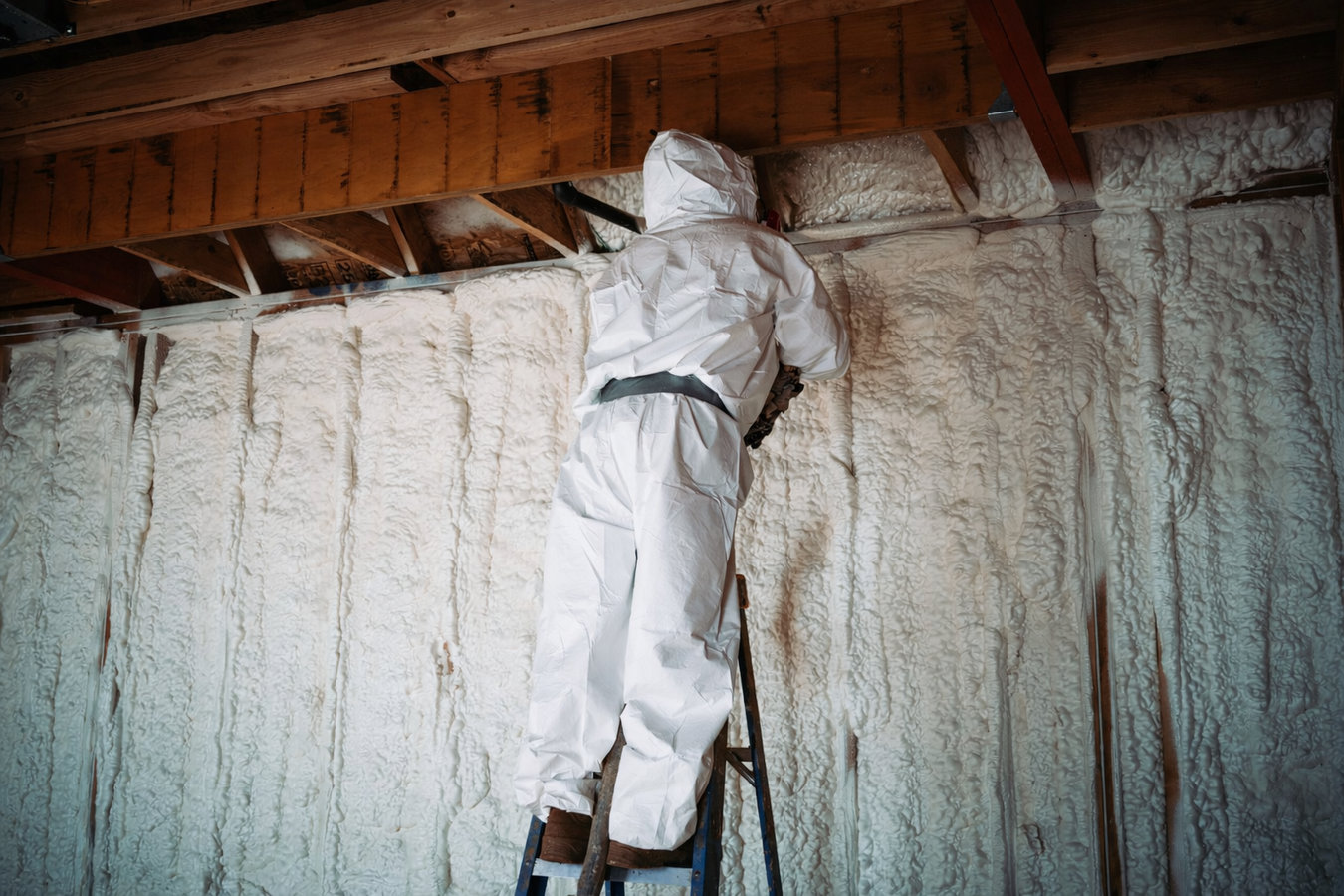
Ewa Gentry's heat and humidity demand more than standard insulation. Closed-cell foam seals gaps and resists moisture in one step, so your AC runs less and your home stays comfortable.
Closed-cell foam insulation in Ewa Gentry is a two-part spray that expands on contact and hardens into a dense, rigid layer that insulates and seals air gaps simultaneously, most residential jobs take one to two days with a required 24-hour vacancy after spraying.
Unlike fluffy batts that sit between joists, closed-cell foam bonds to surfaces and fills every gap it touches. That matters in Ewa Gentry's climate, where hot air and moisture push through wall cavities and attic spaces constantly. The foam's dense cell structure also resists moisture - a key advantage over open-cell foam insulation in Hawaii's humid conditions.
Homeowners in Ewa Gentry who upgrade to closed-cell foam often see their AC running noticeably less, especially in rooms directly under the roof. Paired with spray foam insulation as part of a whole-home approach, it's one of the most durable and effective upgrades available for this climate.
If your Hawaiian Electric bill has been creeping up year over year and you haven't added new appliances or changed how you use your AC, poor insulation is one of the most common culprits. In Ewa Gentry's heat, an under-insulated attic forces your AC to run almost constantly just to maintain a livable temperature. If your bill feels out of proportion to your home's size, insulation is worth investigating.
Walk through your home on a hot afternoon and pay attention to whether rooms directly under the roof feel significantly warmer than the rest of the house. In Ewa Gentry's sun-baked leeward climate, a hot attic transfers heat directly into the rooms below when insulation is thin or missing. If your upstairs bedrooms or rooms with vaulted ceilings feel like a different climate zone, that's a clear signal.
Hold your hand near an electrical outlet on an exterior wall on a windy day - if you feel air movement, your walls have gaps that insulation isn't sealing. This is common in Ewa Gentry homes built in the 1990s and early 2000s, which often used batt insulation that doesn't seal gaps the way spray foam does. Those gaps let hot, humid outside air in and let your cooled air out.
Many homes in Ewa Gentry's original planned-community phases were built to energy codes that have since been significantly updated. If you've owned your home for more than a decade and no one has looked at what's in your attic or walls, there's a reasonable chance the insulation is either minimal or degraded. A free assessment by an experienced contractor tells you exactly where you stand.
We apply closed-cell foam to attics, crawl spaces, wall cavities, and anywhere else heat and moisture are moving through your home's envelope unchecked. For Ewa Gentry homes with hot attics, spraying foam directly to the underside of the roof deck is one of the most effective options available - it creates a sealed assembly that dramatically cuts the heat load on the rooms below. We also pair this work with open-cell foam insulation in interior wall applications where the lower cost and softer texture are better suited to the conditions.
Closed-cell foam is also one of the most durable insulation materials available - it won't sag, settle, or compress over time the way batt insulation can. Once it's cured, you're not replacing it. For homeowners considering a long-term investment in comfort and efficiency, that durability makes the higher upfront cost worthwhile compared to materials that need to be topped off or replaced after years of settling. See the EPA's guidance on spray polyurethane foam at epa.gov.
Applied to the underside of the roof deck to create a hot-roof assembly that dramatically cuts attic heat gain.
Seals the floor system from below, combining moisture resistance with high insulating value for humid crawl spaces.
Fills wall cavities with a rigid, gap-sealing layer suited to exterior walls on Ewa Gentry's windward-exposed sides.
Ewa Gentry sits on Oahu's leeward plain, where summer heat is persistent and attics can reach extreme temperatures under direct sun exposure. Standard insulation materials address heat transfer but leave air gaps that closed-cell foam fills completely. Homeowners in Kapolei and Ewa Beach share the same challenge - homes on this side of the island don't benefit from the natural cooling that windward communities get from the trade winds, so effective insulation carries more weight.
Hawaii's electricity costs are among the highest in the country, and that changes the math on insulation upgrades significantly. A reduction in how often your AC runs pays back faster here than on the mainland. Ewa Gentry homes built in the 1990s and early 2000s were often constructed to minimum code standards that have since been updated - many of those homes have attic insulation that was adequate at the time but falls short of current efficiency expectations. Closed-cell foam brings them up to speed in one job.
We'll ask about your home's age, the areas you want insulated, and what problems you've noticed. We schedule a free on-site visit before giving you any price - the actual layout and access conditions affect the cost too much to quote over the phone. We reply within 1 business day.
We inspect your attic, crawl space, or wall cavities to check accessibility, measure the area, and see what's already there. You get a written estimate that spells out the area to be covered, the thickness of foam, and the total price - no vague ballparks.
If a permit is required by the City and County of Honolulu, we handle the application - you don't visit any office. Once permits are in hand, we confirm a start date and remind you that you and your pets need to be out of the home on the day of spraying.
The crew masks off surfaces, sprays the foam in passes, and cleans up before leaving. You stay out for at least 24 hours after spraying. When you return, walk through the completed work with us - consistent, even coverage with no thin spots is the standard you should see.
Free on-site estimate. No obligation. We reply within 1 business day.
(808) 215-8568We follow installation practices aligned with the Spray Polyurethane Foam Alliance's quality and safety guidance - see sprayfoam.org. That means proper thickness per pass, correct ventilation during application, and a clear re-entry timeline given to you before work begins. You're not guessing whether the job was done right.
Ewa Gentry sits on Oahu's hot, dry plain where attics can reach extreme temperatures during peak summer afternoons. We size and apply foam with that reality in mind, not mainland climate assumptions. Homeowners notice their AC running less within the first few billing cycles after installation.
Some contractors skip the permit process to move faster. We don't. A permitted job means an independent inspector verifies coverage and thickness, which protects your investment and gives you documentation that matters when you sell or insure the home. We handle all paperwork so you don't have to.
Closed-cell foam seals air gaps and resists moisture simultaneously - two problems that standard batt insulation addresses separately, or not at all. In Ewa Gentry's humid conditions, that dual function means the insulation holds its performance over time instead of degrading from moisture exposure inside the wall cavity.
Closed-cell foam is the most demanding insulation job to do right - the preparation, application thickness, and re-entry timing all matter. We've built our process around getting those details correct, because a job done wrong in Hawaii's climate shows up on your electricity bill and in your home's comfort level every single day.
A lighter, lower-cost foam option that works well for interior walls where moisture exposure is minimal.
Learn MoreOur full spray foam service covers both closed-cell and open-cell options for attics, walls, and crawl spaces.
Learn MoreEwa Gentry electricity costs don't take a break. Call today and we'll assess your home within days.