Loading...
Serving Ewa Gentry, HI and surrounding areas. (808) 215-8568
Ewa Gentry Insulation serves Aiea homeowners with closed-cell foam insulation, attic insulation, and air sealing - bringing postwar and hillside homes up to current standards. We have served the Pearl Harbor-area communities since 2018 and reply within one business day.
Ewa Gentry Insulation serves Aiea homeowners with closed-cell foam insulation, attic insulation, and air sealing - bringing postwar and hillside homes up to current standards. We have served the Pearl Harbor-area communities since 2018 and reply within one business day.
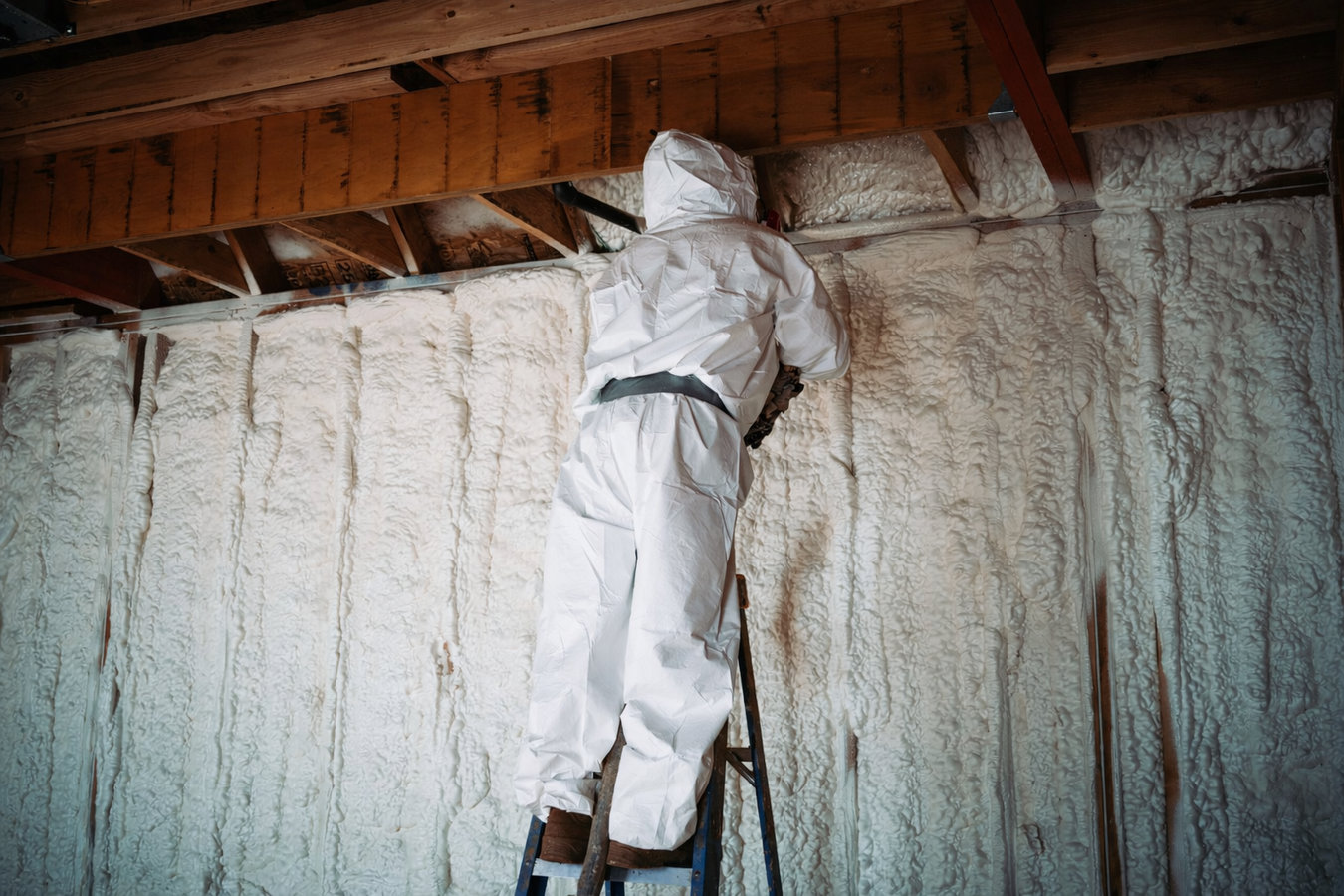
Aiea homes on sloped hillside lots deal with moisture migration through foundation walls and raised-floor areas - problems that closed-cell foam insulation addresses by creating a continuous air and moisture barrier in a single pass. The added structural rigidity is a real benefit on terraced lots where soil shifts gradually over time.
Most Aiea homes built between the 1950s and 1980s have undersized attic insulation - or insulation that has settled and degraded after decades of Hawaii's heat cycling. Bringing attic R-values up to current code is the fastest way to reduce cooling loads in these older single-family homes.
Postwar construction in Aiea used framing methods that leave a lot of gaps - around recessed lights, plumbing penetrations, and attic hatches. Sealing these paths before adding insulation makes the whole system work better and reduces the humidity that drifts through unconditioned spaces.
Many of Aiea's concrete masonry unit homes were built with minimal or no wall cavity insulation - the block itself provided structure but not thermal performance. Adding wall insulation cuts the afternoon heat load that drives up electric bills in these homes during Oahu's summer months.
Hillside homes in Aiea often have crawl spaces or under-slab moisture issues because of how water moves through the sloped terrain after rain events. Installing a vapor barrier underneath the home stops ground moisture from working its way up into the living areas and insulation above.
For Aiea homes with existing attic framing, blown-in insulation is often the most practical upgrade - it fills around rafters and obstructions without major disruption and can be installed without removing existing ceiling finishes. This is especially useful in older homes where the attic hatch is the only access point.
Most of the housing stock in Aiea dates from the 1950s through the 1980s - homes built during the postwar boom to house workers and military families near Pearl Harbor. That means the average home here is 40 to 70 years old and was built to the energy standards of its time, not today's. Insulation levels that met code in 1965 leave these homes working much harder than they need to in Hawaii's year-round heat. Add in decades of thermal cycling and humidity, and a lot of the original insulation material has settled, compressed, or degraded to the point where it no longer performs at its rated R-value.
Aiea's hillside terrain creates additional challenges that flat-lot homes don't face. Homes on sloped lots have more exposed foundation surface area, and water moves quickly through the hillside soil after rain, creating moisture pressure against crawl spaces and under-slab areas. The combination of aging construction and moisture-prone terrain means that air sealing and vapor management are just as important as adding insulation volume. The right approach for an Aiea home usually involves addressing all three together - not just throwing new material on top of what's already there.
Our crew works throughout Aiea regularly, and we understand the local conditions that affect insulation work here. The hillside properties above Kamehameha Highway are a consistent part of our workload - homes with terraced yards, retaining walls, and raised foundations that require a different approach than flat-lot construction. Concrete masonry unit construction is the norm in this area, and our team knows how to work with block walls efficiently.
Aiea sits between Pearl Harbor and the Koolau foothills, and the geography shapes how these homes perform. The neighborhoods stretching up toward Keaiwa Heiau State Recreation Area catch more wind and rain than the lower streets near Pearlridge, which affects how moisture enters homes at different elevations. We factor that in when we assess a home - a house up on Aiea Heights needs a different moisture management plan than one closer to the H-1 freeway.
We also serve homeowners in nearby Pearl City, which shares much of the same postwar housing stock and building challenges as Aiea. If you are in Mililani Town or anywhere in between, we serve that area as well.
Reach us by phone or through the contact form and describe what you are noticing - hot rooms, high bills, or visible insulation issues. We reply within one business day to confirm a free assessment time that works for your schedule.
We inspect your attic, walls, and any crawl space or under-floor areas, check current insulation levels, and identify air leak locations. You receive a written estimate before any work begins - no pressure, no vague ballpark numbers.
Most Aiea attic projects are completed in a single day. You do not need to leave your home during the work, though we ask that attic access areas be clear. Our crew works cleanly and protects your living spaces during installation.
When the job is done, we walk through the completed work with you so you can see exactly what was installed and where. We are available for any follow-up questions - there is no hand-off to a call center after the invoice is paid.
We serve Aiea and the surrounding Pearl Harbor-area communities. Free assessments, written estimates, and no-pressure scheduling.
(808) 215-8568Aiea is a census-designated place on the central coast of Oahu, sitting between Pearl Harbor and the lower slopes of the Koolau Range. It is almost entirely residential - neighborhoods of single-family homes and townhomes stacked up the hillsides above Kamehameha Highway, with Pearlridge Center serving as the main commercial anchor. The area grew quickly after World War II to house workers and military families, and that postwar character still defines most of the neighborhood today. Many families have owned their homes here for decades, and the community has a stable, long-term ownership pattern that sets it apart from more transient parts of Oahu. The upper portion of Aiea Heights reaches toward Keaiwa Heiau State Recreation Area, where the Aiea Loop Trail winds through the forest above town - a landmark most residents know well.
The housing stock in Aiea is predominantly single-family homes built between the 1950s and the 1980s, with a mix of concrete masonry unit construction and wood-frame styles. Lots are modest in size, and many homes have carports, stepped yards, and retaining walls to manage the hillside terrain. There are some townhome complexes closer to Pearlridge, but detached homes dominate. Home values here are well above national averages, reflecting Oahu's overall market, and most owners are invested in maintaining their properties for the long term. If you are in neighboring Pearl City or over in Waipahu, we serve those communities as well.
Seal gaps and maximize energy efficiency with professional spray foam.
Learn MoreHigh-density closed-cell foam for superior moisture and air control.
Learn MoreFlexible open-cell foam ideal for interior walls and soundproofing.
Learn MorePrevent moisture damage with a reliable crawl space vapor barrier.
Learn MoreProfessional vapor barrier installation to protect your structure.
Learn MoreFree on-site assessments for Aiea homeowners. Firm written estimates before any work begins. Call now or submit a request and we will be in touch within one business day.